
Play is how children learn
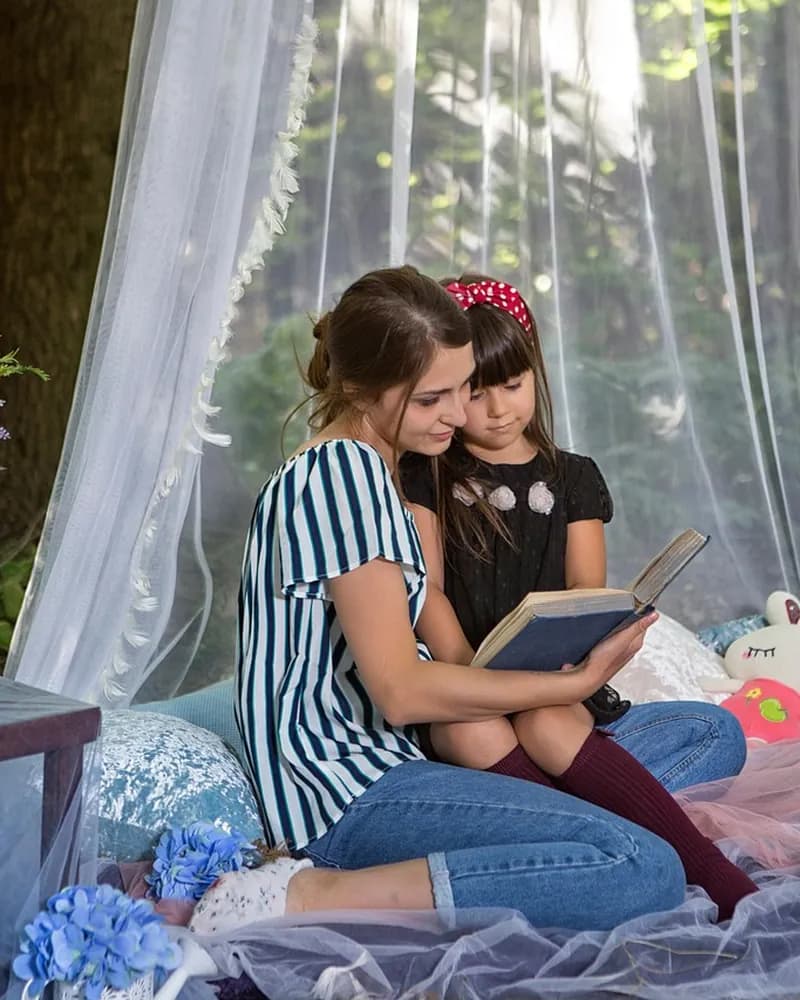
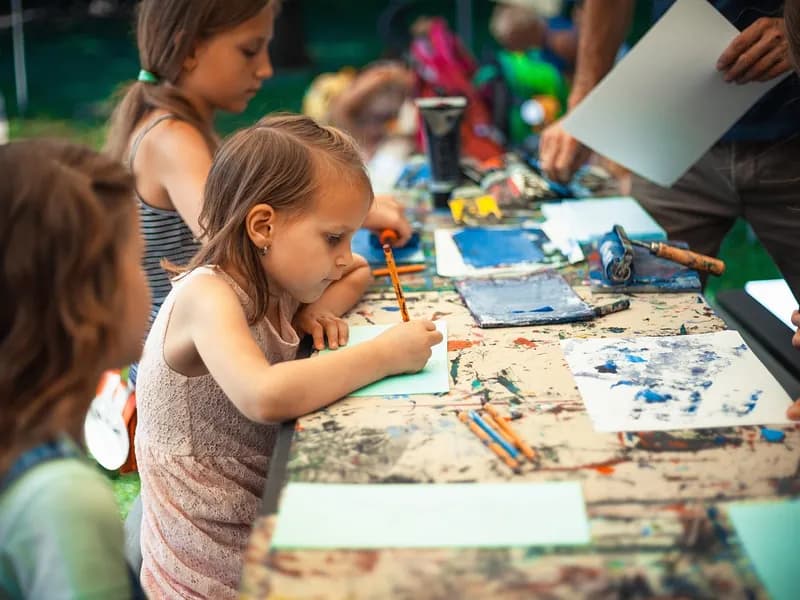
Games, songs and building blocks are how young children practise talking, moving and sharing. Every session starts from play and turns one small goal into something fun.
Our story
Early support changes what comes next. Our therapists work with your child in small steps that are easy to see and easy to repeat at home.
We share what we learn every week, and we ask what you are noticing too. You know your child best.
Our approach
Four ideas shape everything we do.
Games, songs and building blocks are how young children practise talking, moving and sharing. Every session starts from play and turns one small goal into something fun.
You can stay beside your child, especially at the start, and you always know what we are working on.
Goals are small enough to see, celebrate and repeat at home.
Therapies under one roof, planned together by therapists and families, so progress in one room carries into the next.
Who we help
If you are worried about how your child talks, plays or moves, you are welcome to ask.
Child Care
1–3 years
9:00 – 11:00
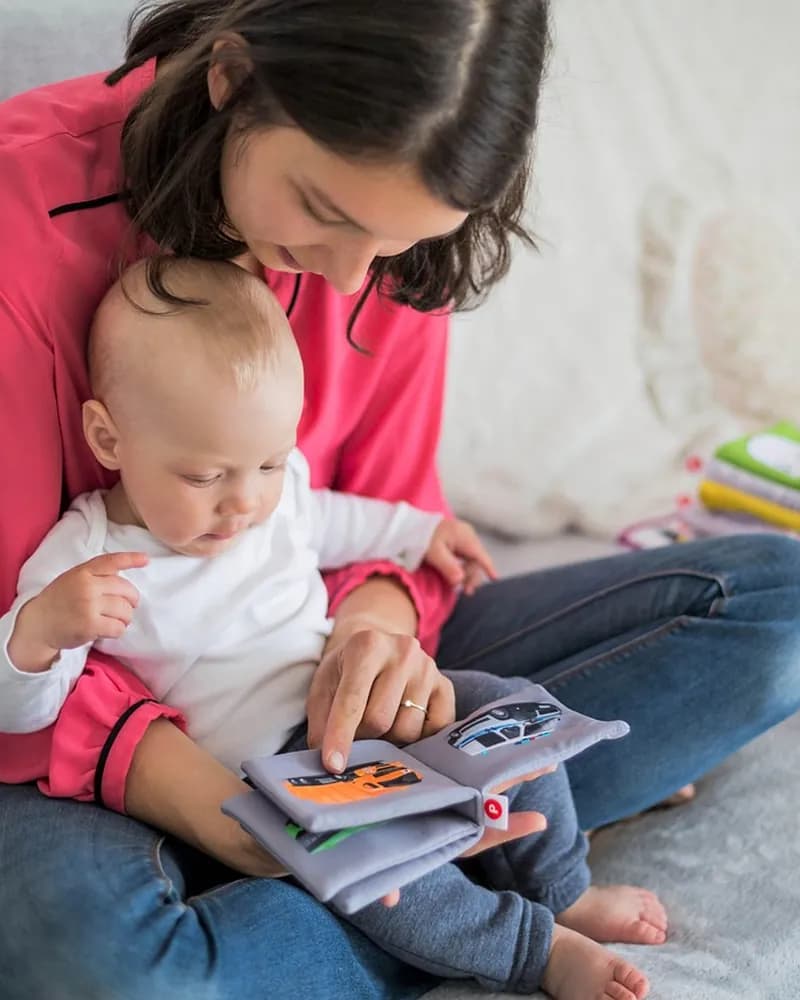
Short, play-led sessions with a parent beside the child.
Kids Care
3–6 years
11:00 – 15:00
Longer sessions in small groups building movement, speech and social skills.
You do not need to know the cause. Tell us what you have noticed and we will suggest where to start.
How it works
Four relaxed steps, at your pace. There is very little to prepare.
Tell us about your child and what worries you. We listen first.
A therapist spends time with your child through play, to see what they love and what is hard.
Agree small first steps you can repeat at home, at your pace.
We share what we learn every week, and we ask what you are noticing too. You know your child best.
Our mission
To give every child the earliest, kindest and most effective support to communicate, learn and play.
Our vision
A community where every child is understood and can reach their full potential.
Our specialists
Their experience, training and a little about how they work.




Visit us, meet the team and ask anything. There is no pressure and no wrong question.